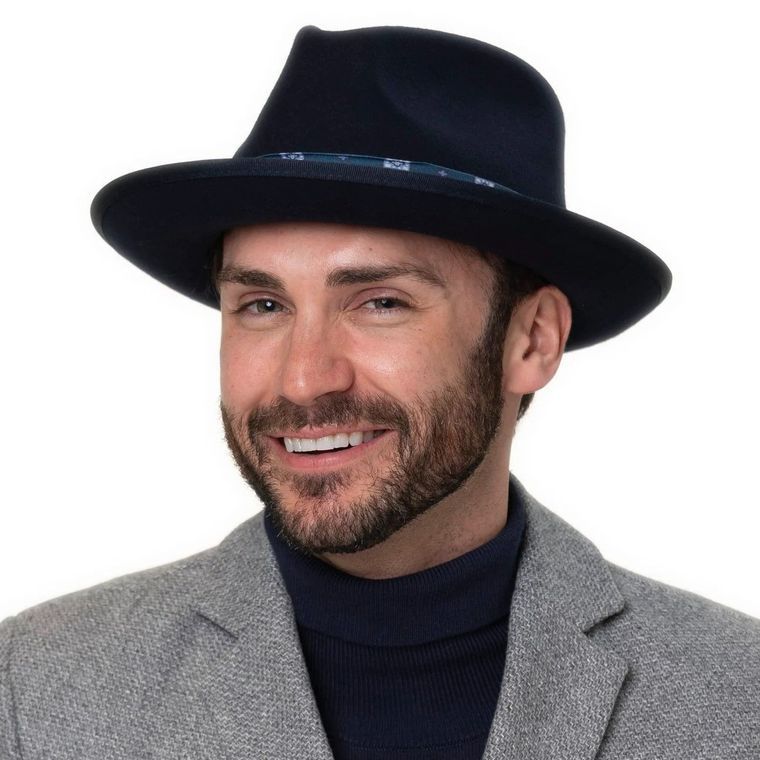
Mulesing-free headwear
Shop now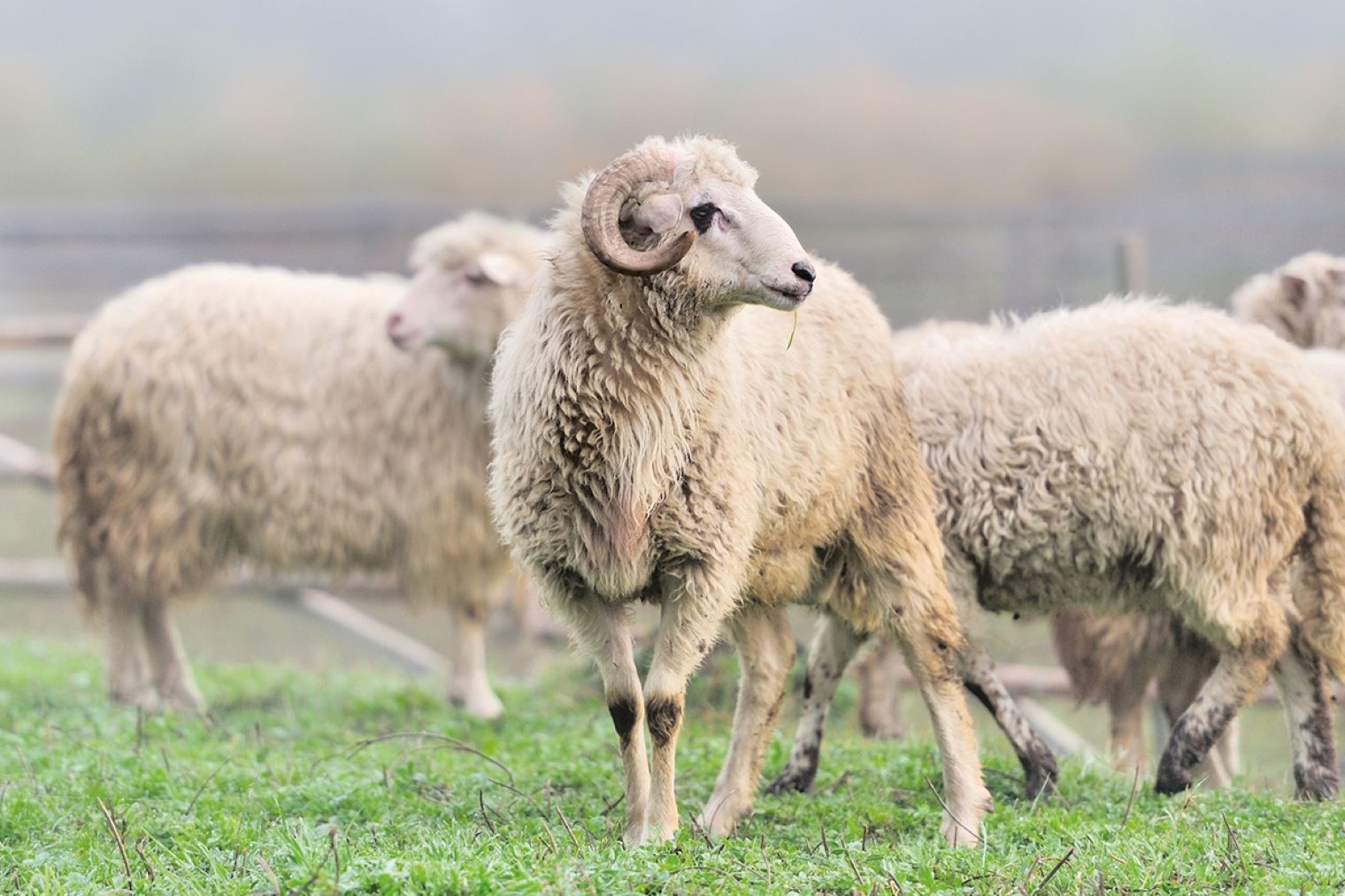
Mulesing-free wool – what's behind it
The terms mulesingand mulesing-free are being used more and more frequently. But if you're not an expert in the field of wool or don't happen to breed sheep, it's hard to imagine what this means. We explain what mulesing means and why mulesing-free wool is becoming increasingly important.
What is mulesing?
What happens during mulesing
Mulesing is a procedure used in the breeding of Merino sheep. It goes back to the Australian John W. H. Mules, who first used the technique in 1929 after discovering an infestation of fly larvae on his sheep.
Mulesing involves removing large folds of skin from the hindquarters of lambs with scissors or a knife. Unfortunately, the procedure is often carried out without the sheep being anaesthetised beforehand, causing the animals severe pain.
Whether the term used is "mulesing-free", "no mulesing", "anti-mulesing" or "mulesing-free": all these designations describe the fact that merino wool is obtained without mulesing. This means that it comes from species-appropriate and animal-friendly sheep farming.
Why does mulesing take place?
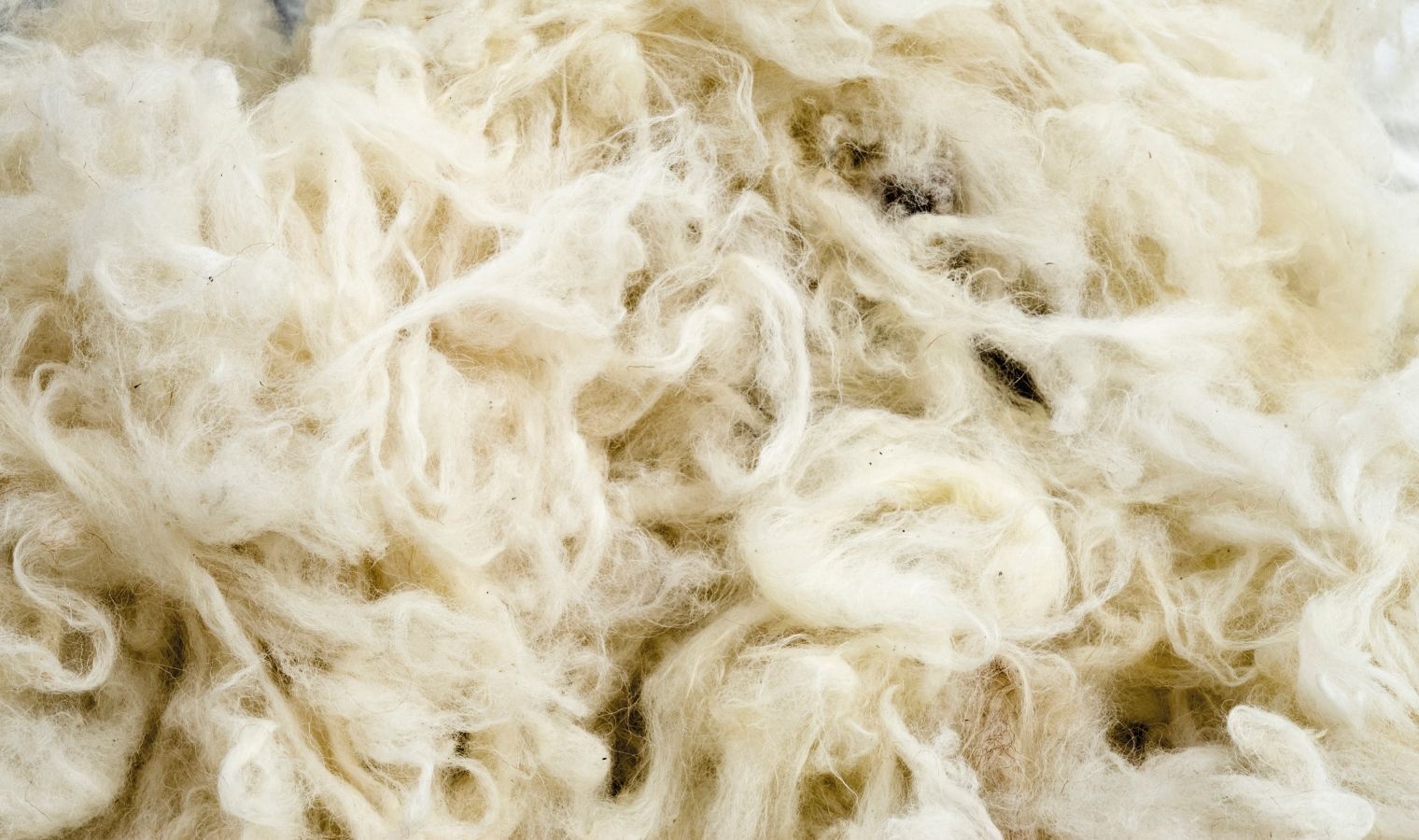
Mulesing is still used on many Australian merino sheep today. Merino wool is considered one of the finest types of wool in the world, as it is significantly finer and softer than conventional wool and has excellent insulating properties.
Merino sheep are often bred to have excess skin so that they grow as much wool as possible. The skin creates folds, especially on the sheep's hindquarters, in which moisture and heat are generated.
Blowflies often nest in these skin folds and lay their eggs. This can lead to a dangerous infestation of fly maggots.
Alternatives to mulesing
As animal welfare is becoming more relevant in purchasing decisions, more people are becoming aware of the practice of mulesing. Mulesing-free wool is also becoming increasingly important, owing to the general increase in demand for merino wool.
There are several animal-free alternatives to mulesing that are already being used in practice or are currently being researched. A widespread alternative is the targeted breeding of Merino sheep with no or significantly fewer skin folds. Merino sheep in Germany, unlike Australian sheep, have no excess skin. Merino sheep are also already being bred whose body odour has an unpleasant effect on blowflies, preventing them from nesting in the skin folds.
The use of fly traps can also prevent the flies from infesting the sheep in the first place. Combined with regular cleaning of the sheep or the use of safer insecticides, this provides effective protection against flies.
The legal situation
Is mulesing prohibited?
The legal framework conditions differ between countries. New Zealand completely banned the practice of mulesing back in 2018. Even under anaesthesia, the removal of skin folds is no longer permitted, so that animals with fewer skin folds are bred there. Germany is and always has been mulesing-free. There is also no mulesing in other European countries such as Spain and Portugal, as well as in South America and Africa, as the harmful fly species does not occur here.
The legal situation is fundamentally different in Australia. There are still no legal provisions regulating or prohibiting mulesing here. Only around 30% of Australian merino wool is mulesing-free, while Australia produces around 70% of the global demand.
More and more brands and suppliers are therefore voluntarily committing to using mulesing-free wool.
Certificates and standards for mulesing-free wool
There are still no uniform standards or a special mulesing-free label or certificate. However, wool that is certified according to the Responsible Wool Standard (RWS) is definitely mulesing-free. To qualify for this certification, the entire supply chain, including the sheep farms, is inspected once a year. New Merino and ZQ Merino are also quality seals that guarantee mulesing-free sheep farming. In addition, all organic wool that is not from Australia is mulesing-free.
Products that are certified according to the Global Organic Textile Standard (GOTS) are only guaranteed to be mulesing-free if the wool does not originate from Australia.
At Hatshopping, we therefore explicitly state in the product details that an item is mulesing-free. This way you can be sure that the product you buy is made from mulesing-free wool.
Mulesing-free headwear
Merino wool hats, scarves and co. – but mulesing-free, please
At Hatshopping, we are also noticing the growing demand for mulesing-free products and now have a large and constantly growing range of corresponding items.
Whether it's a hat, scarf, multifunctional scarf or headband made of wool – everyone can find what they are looking for here, and all without mulesing and the associated animal suffering.
Mulesing-free brands
More and more producers and brands are focussing on the use of mulesing-free merino wool. For example, the BUFF brand has committed to ensuring that all products containing merino wool are mulesing-free.
The Stetson brand also uses mulesing-free wool in a large proportion of its products.