Origin of the name
The term "nubuck leather" probably comes from the English word "buckskin", which denoted a specially treated type of
suede leather. The English term probably in turn came from "buck" (a male deer). Clothes made from this were called
"buckskins". Apparently, brushing the grain side of the leather, a new treatment method, was called "new buck" for
advertising purposes, which in time became "nubuck".
Nubuck leather has a lot to offer
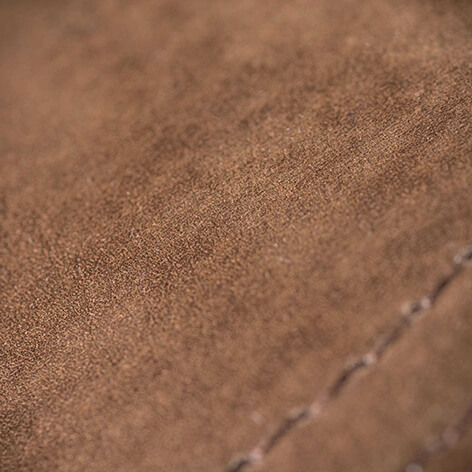
Nubuck leather is a subcategory of suede. During manufacture, the fur side of the leather, which is also called the
"grain side", is worked with a special abrasive to produce a velvety surface. This treatment makes the nubuck leather
softer and increases its breathability. The impregnation of the leather also ensures water-repellent properties and UV
protection. Most nubuck is made from calfskin and cowhide, however, it is occasionally made from deer, goat or lambskin
leather.
Care is important
Regular impregnation is particularly important when caring for nubuck leather, as this ensures it retains its UV
protection and will continue to repel water. Various cleaning methods can be used, depending on the degree of soiling.
Raw rubber brushes, also called nubuck brushes, are recommended for light soiling. These are particularly suitable if,
for example, just a bit of dust needs to be removed. Despite brushing, the delicate and special surface remains
unharmed. If the nubuck is more heavily soiled and already has a few light stains, it is best to use a dirt eraser.
However, care should be taken as excessive rubbing can damage the surface.
Handle nubuck leather properly
There are also special cleaning agents that can be used to remove small stains. In cases of particularly heavy soiling,
the nubuck leather should be cleaned with water and a brush. If the stain is particularly stubborn, soap can also be
used. Afterwards, once the stain has been removed, there are some things to keep in mind when drying. Care should always
be taken to ensure the treated item dries out at room temperature and is not overheated, e.g. by being exposed to warm
air from indoor heating. If possible, it is advisable to stuff the item with newspaper so that any moisture is absorbed
from the inside.
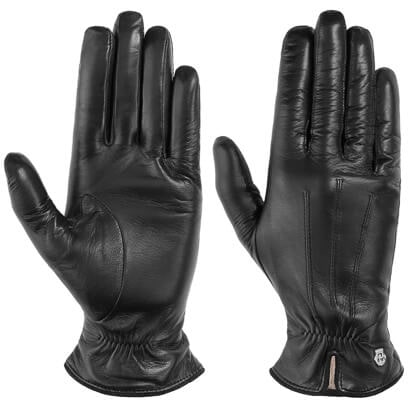
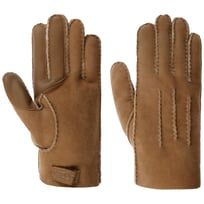
Nubuck leather is excellent for a huge array of accessories, such as bags, shoes, belts or even bracelets. The special
surface gives products a particularly elegant appearance. The right care can compensate for its disadvantages.