A long way to leather today
Leather is the tanned and therefore durable skin of an animal. Nowadays, leather is mostly made from animals that are
also used as food. These primarily include cowhide, pigskin, goat or sheep leather. This method of preservation was
probably only discovered by accident. However, the discovery of tanning and the associated development of leather has
lasted a long time and is made up of lots of little individual processes. The first type of leather is presumed to have
been discovered at the same time as fire. Fire smoke made animal skins more durable and kept their shape. A major step
forward was the development of chrome tanning in the 19th century, which enabled industrial leather production. Today,
there are various types of leather, which have different surfaces. However, one thing is certain: The development of
leather was and is genuinely important for humanity.
Naturalness proves itself
Leather is a product that is made from natural raw materials. Although during the early years of its development leather
was fundamental in helping humans to survive the colder months, nowadays, leather is used in a wide variety of fields.
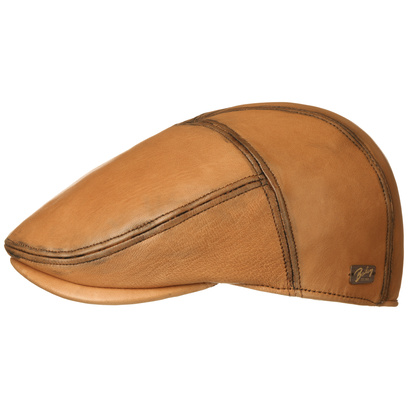
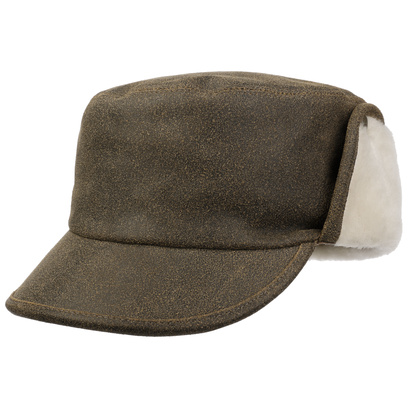
Thanks to its elegant appearance, it is primarily used for creating shoes, clothing, bags and even furniture. As leather
fibres are strongly interconnected, it has several useful properties. These include breathability, as well as relatively
good waterproofing, which is particularly advantageous for clothing and shoes.
Always comfortable and warm
Furthermore, leather naturally keeps you warm and even insulates heat. Leather is also characterised by its high level of
durability. This makes it difficult to tear and also relatively stretchy. This characteristic makes it suitable for
things such as soles on shoes or, for example, for belts. The properties listed above also make leather textiles
incredibly comfortable to wear.
As there are many different types of leather, individual care tips for each type are listed. A basic distinction can be
made between smooth leather and suede leather. Starting with the various types of smooth leather, it must be noted that
these are not completely smooth, but their structure is still mostly recognisable. Here, depending on how it has been
treated, we can once again divide into three major groups.
Pure aniline leather:
This is a largely untreated type of leather, which is therefore particularly unique. Only flawless animal skins are
used, so this type of leather is very high quality and precious. However, as the surface of the leather has not been
treated, it is very susceptible to staining. For this reason, only special cleaning agents should be used on pure
aniline leather that has been soiled.
Semi-aniline leather
The leather is still relatively untreated but has a stronger colour. As a result, the natural pores are far less visible.
Semi-aniline leather should be treated with a special care product, however, it is slightly easier to care for than pure
aniline leather.
Pigmented leather
Unlike the two aforementioned types of leather, this leather has been dyed and varnished so that the pores are covered
and can no longer be seen. This type of leather is far easier to look after, but also loses its sense of naturalness due
to the harsher treatment.
In addition to the smooth types of leather there are also various types of suede leather, which are also characterised by
various features and production steps.
Nubuck leather
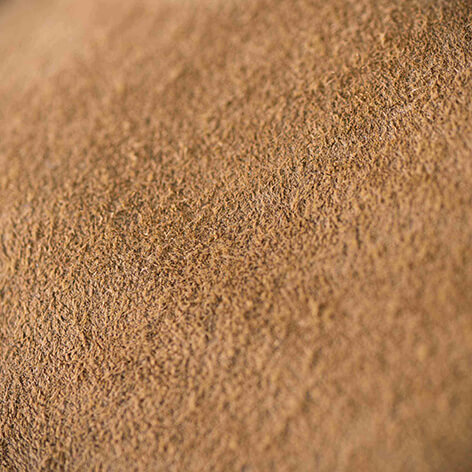
This is leather that has been sanded on the grain side to create a velvety surface. Depending on how heavily the leather
is soiled, leather brushes are ideal for light soiling, dirt erasers are good for medium soiling, and water and soap can
be used to clean items that are heavily soiled.
Suede
Suede is a soft leather, which, unlike nubuck leather, has been sanded on the flesh side of the animal skin. Although it
also has a velvety surface, this is far less pronounced. There are different methods for caring for suede products,
depending on the type of soiling. For water stains, it is advisable to sprinkle baking powder or bicarbonate of soda
over the surface and brush it off once dry. For dried stains, however, you should use a special dirt eraser.
Buckskin
Here, the grain structure has been completely sanded off. It is also a term for all types of leather made from wild
animals, e.g. deer, elk or roe deer. Special buckskin brushes with two sides are suitable for removing coarse dirt. If
this is not sufficient and stains remain on the item, you can use a suede sponge, which works like a rubber. Care should
also be taken to ensure the use of special suede care products, so as to not damage the material.