History:
![]() Fur felt
Fur felt
Fur felt and the various types of processing
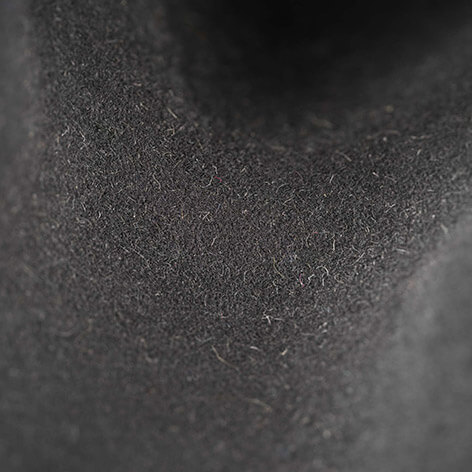
Fur felt is a type of felt that is made from smooth animal hair, e.g. that of a rabbit (in the past beaver fur was often
used). It is a pressed felt and consists of a fibre that is difficult to separate, which forms a textile surface but
which is not woven. The fur is treated with moisture, warmth and friction until it forms a homogeneous textile
structure. The fur is cleaned, combed and can be dyed before processing. Afterwards, the individual wool fibres are
entwined together and felted through a mechanical process (so-called "felting"). The scales of the fur intertwine during
the felting process and stick together to ultimately form a stable textile. Fur felt can be manufactured in various
degrees of hardness by using different processing methods. So there are very soft and flexible or even hard types of fur
felt. In addition, this type of felt is a natural product and can be disposed of in an environmentally friendly way.
The beginnings of fur felt usage
Felt has long been recognised as a classic material in the history of civilisation. The first finds that prove the use of
felt date back to the Neolithic period from around 6,000 BC. These finds consist of the remains of pressed animal fur.
Even older finds are difficult to come across, as the raw materials are very compostable and have therefore long since
decomposed. The first felt hats were found in the autonomous Mongolian region of Bayingolin in western China from around
1,800 BC. Other felt hats dating back to around 1,500 BC were discovered in Denmark and northern Germany in megalithic
tombs. There are early indications of felt manufacture in Central Europe, too. The felt findings from the Altai
Mountains dating back to 5 BC already displayed an astonishing uniformity and were ornately decorated. Mentions in Greek
and Roman literature, as well as findings of felting workshops in the excavations of Pompeii, indicate that felt
manufacture was also popular and well-know among the people of the ancient world. However, the masters of felt
production were the Tibetans and the Mongolians. These peoples used felt not just for clothing, but even for their
tents. The intricacies of the methods and manufacturing processes have changed over the centuries, but the basic
principle and raw materials have remained the same. Some even speculate that felted textiles are older than woven ones.
Properties:
Impressive properties
Textiles made from fur felt are almost as versatile and have almost the same beneficial properties as those made from
wool felt. They insulate very well against the cold and heat, dampen vibrations and noise, absorb sound, store heat,
have filtering properties and protect against dirt and mechanical damage. They also have a cushioning effect and are
stretchy and resistant to pressure, which makes them impervious to creasing. Fur felt can absorb a lot of moisture and
store a multiple of its own weight inside itself and then release it again. Fur felt is an ecological and economical raw
material as it is biodegradable and the animals can be domesticated virtually anywhere in the world.
It captivates with its high quality
It is natural, kind to the skin, soft and breathable, yet also very tear-resistant and robust. Felt can also be dyed
well, cut and even made by hand, which is why many people make decorative clothing and home accessories or works of art
from the felt they make as a hobby. However, this is usually made from the cheaper sheep's wool. Fur felt has many
advantages compared to other types of felt. For example, compared to wool felt, which is made from curly sheep's wool,
fur felt is considered to be higher quality. This is due, among other things, to the fact that the fur felt
manufacturing process is comparatively difficult, as it is harder to felt smooth structures than it is to felt rougher
ones. In addition, fur felt has a smoother structure and surface than wool felt, it is less scratchy, softer and
therefore more comfortable to wear against the skin. Fur felt usually also has a beautiful, elegant sheen, unlike wool
felt which is usually rather matte. Another advantage of fur felt is that is does not deform as much when it comes into
contact with moisture. However, a disadvantage of fur felt is the higher price.
Care tips:
When textiles made from fur felt are only superficially soiled, brushing the felt with a brush or a damp cloth is usually
sufficient. You can also vacuum felt. If felt is more heavily soiled, it is possible to wash it by hand. To do this, the
felt should first be dampened then washed with an all-in-one detergent or a shampoo and then rinsed thoroughly. After
washing, the felt can simply be stroked and pressed back into shape. Gentle iron steaming can facilitate this process.
Conclusion:
Felts have enjoyed significant growth in recent years and have conquered many new markets with their positive properties.
Although many new, refined synthetic materials have been developed in recent years, they have not been able to oust
felt. Fur felt is particularly high quality, has exceptional properties and is very versatile, which means the uses for
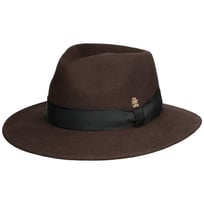
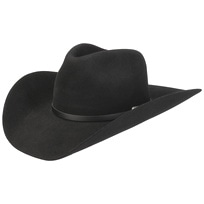
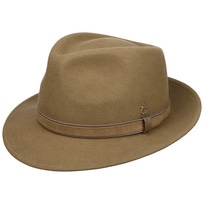
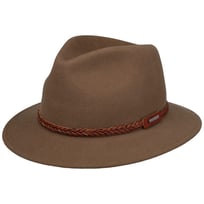
it are almost limitless. Fur felt is primarily used for particularly elegant and high quality items of clothing and
accessories, such as hats and top hats, slippers, boots, jackets, waistcoats, jewellery or key chains. However, it also
has many uses in the home and in industry and technology, although the cheaper wool felt is usually used for these
purposes. Felt textiles can be found in almost all industries and are almost indispensable in everyday modern life.